
IREN Deep Dive: The Next AI Hyperscaler?
Transitioning from Bitcoin Mining towards Global AI Cloud.

Welcome to Global Equity Briefing, my weekly investing newsletter.
I am Ray, a passionate investor and equity analyst. And today I am covering IREN.
By now, everyone and their grandmother knows that the world is experiencing a once-in-a-century AI-driven technological revolution. However, if we want AI to be able to do more than just create silly cat videos, it needs to be properly trained on lots of high-quality data.
Furthermore, for this data to be processed, the world needs to build more data centers than it has ever built before!
Researchers at McKinsey forecast that by 2030, cumulative data center capex will reach $7T and data center capacity will almost triple to 219 GW!
To meet this insatiable demand for computing power, capacity will come from clever and previously overlooked places. And increasingly, a trend has emerged of bitcoin mining companies turning into AI data center businesses.
For years, aspiring crypto entrepreneurs built ever larger and more sophisticated bitcoin mining operations. These bitcoin farms went from small basement servers to dedicated data centers with thousands of GPUs, custom-designed cooling equipment, and access to cheap energy.
It so happens that an AI data center also needs thousands of GPUs, cooling, and cheap energy!
Thus, many of these clever crypto mining entrepreneurs are taking their crypto mines and retrofitting them into AI data centers.
One of these crypto miners turned AI data center operators is Iren.
Thanks to strong AI-driven demand for their services, Iren’s stock has risen 490% in the last 12 months.
Furthermore, just a few weeks ago, the company signed a 5-year $3.4B AI Cloud customer deal and a potential $2.1B investment deal with Nvidia. This is a transformational agreement that the company aims to use as a stepping stone towards the AI big leagues.
In this report, I will look at their business model, data centers under construction, capex requirements, valuation, and finish off with a 2030 valuation model.
Let’s begin.
1. Business Model
2. Mirantis Acquisition
3. Data Centers
4. Customer Contracts
5. Competitors
6. Risks
7. Opportunities
8. Finances
9. Valuation
10. Valuation Model
11. Conclusion
1. Business Model
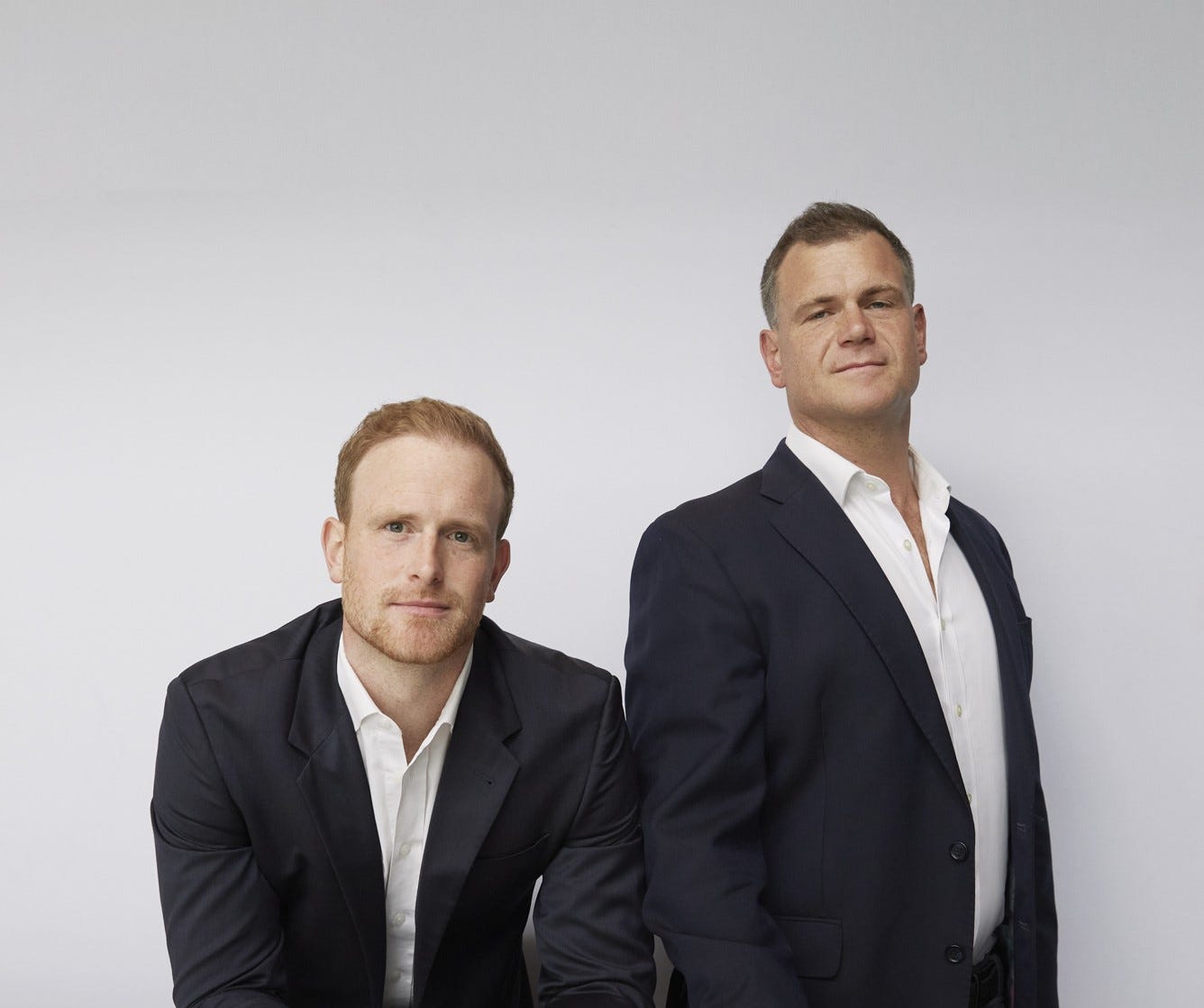
The company was founded in 2018 by Australian brothers Daniel and William Roberts with the idea to build efficient, high-performance bitcoin mining data centers that would incur lower operating costs than competitors.
However, after the AI boom began, it became apparent that AI data centers presented a significantly larger opportunity, so the company changed direction.
1.1. Shift from Bitcoin
As of calendar year Q3 2025, Iren had an installed Bitcoin mining capacity of 50EH/s, with plans to increase that to 52EH/s.
However, these plans for further expansion were cancelled to focus on the AI business.
Bitcoin miners use EH/s to measure mining capacity, which stands for exahash per second. The Bitcoin mining process works by performing complicated computations that solve digital cryptographic puzzles. These steps are needed to validate Bitcoin transactions and ensure the security of the network.
As a reward for this task, miners are given newly minted Bitcoins!
With this capacity, Iren was able to mine 2,039 Bitcoins in Q3 2025, generating $233M in revenues!
That was the peak for the bitcoin business.
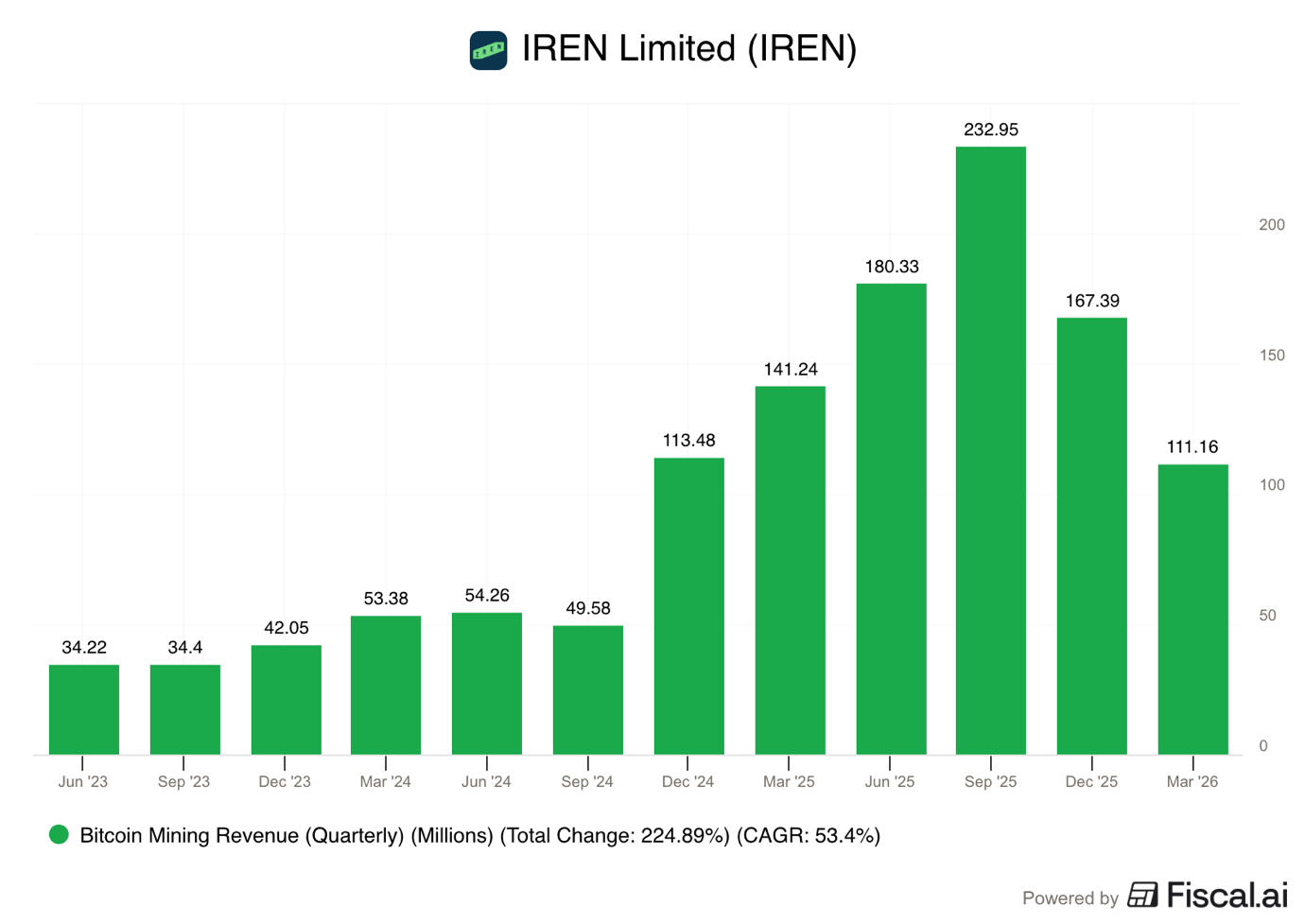
Since Q3 2025, bitcoin revenues have fallen by 52% as Iren retrofits Bitcoin mining locations in Canada into AI data centers.
In calendar year 2026, Iren stopped disclosing Bitcoin mining hash rate, the number of bitcoins mined, and the cost per bitcoin.
This is a transitioning business, however, it still gives us important insights into the company’s expertise.
In real mineral mining, the type and purity of the end mineral determine the final price. However, in crypto mining, there is no differentiation, as a Bitcoin is a Bitcoin, Ethereum is Ethereum, etc. As there is no differentiation in the final product, all miners sell their bitcoin for the same price.
This means that costs ultimately determine a miner’s profitability!
That is why crypto miners have a lot of experience in not only finding the location with the cheapest electricity but also designing energy-efficient data centers. A key metric used to measure the efficiency of a Bitcoin miner is joules per terahash (J/TH), which essentially shows how much electricity a miner uses to complete Bitcoin mining puzzles.
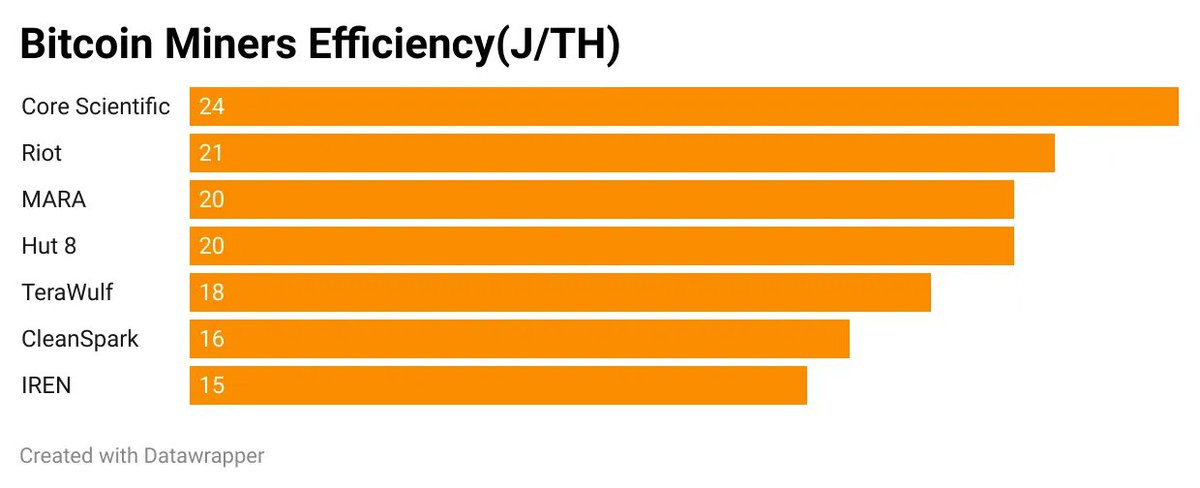
As we can see in the table above, Iren’s data centers have an efficiency of 15 J/TH, which compares quite favorably to its bitcoin mining peers.
In Bitcoin mining, they use J/TH to measure the energy efficiency, but in data centers, PUE is used.
PUE stands for power usage effectiveness and is calculated by dividing the total capacity of a facility by the power actually used by IT equipment. A low PUE indicates that a smaller share of the total energy capacity is dedicated to overhead tasks, such as lighting, cooling, and others.
Essentially, a data center with low PUE uses a larger share of its electricity on revenue-generating GPUs.
Iren’s data centers are some of the most efficient in the business, with a PUE of 1.1. This means that for each KW used by IT equipment, only 0.1KW is used by the overhead. This compares favorably to other operators whose PUE ranges from 1.2 to 1.8.
This clearly shows that the company has the skills to build some of the most efficient data centers in the world!
1.2. AI Cloud vs Bare Metal vs Colocation
AI requires fundamentally different infrastructure than general-purpose cloud infrastructure.
Simply put, AI data centers use a higher number of powerful GPUs that “eat” a lot of electricity, requiring meaningful grid upgrades. Additionally, these GPUs generate more heat than a conventional data center, demanding improved cooling systems. This means that, unfortunately, using existing general-purpose data centers for AI workloads is just not economically viable.
This is why we are witnessing this extreme data center buildout boom!
However, not all AI data center companies are the same, as there are 3 key ways in which they earn revenue.
Colocation
Bare Metal
AI Cloud
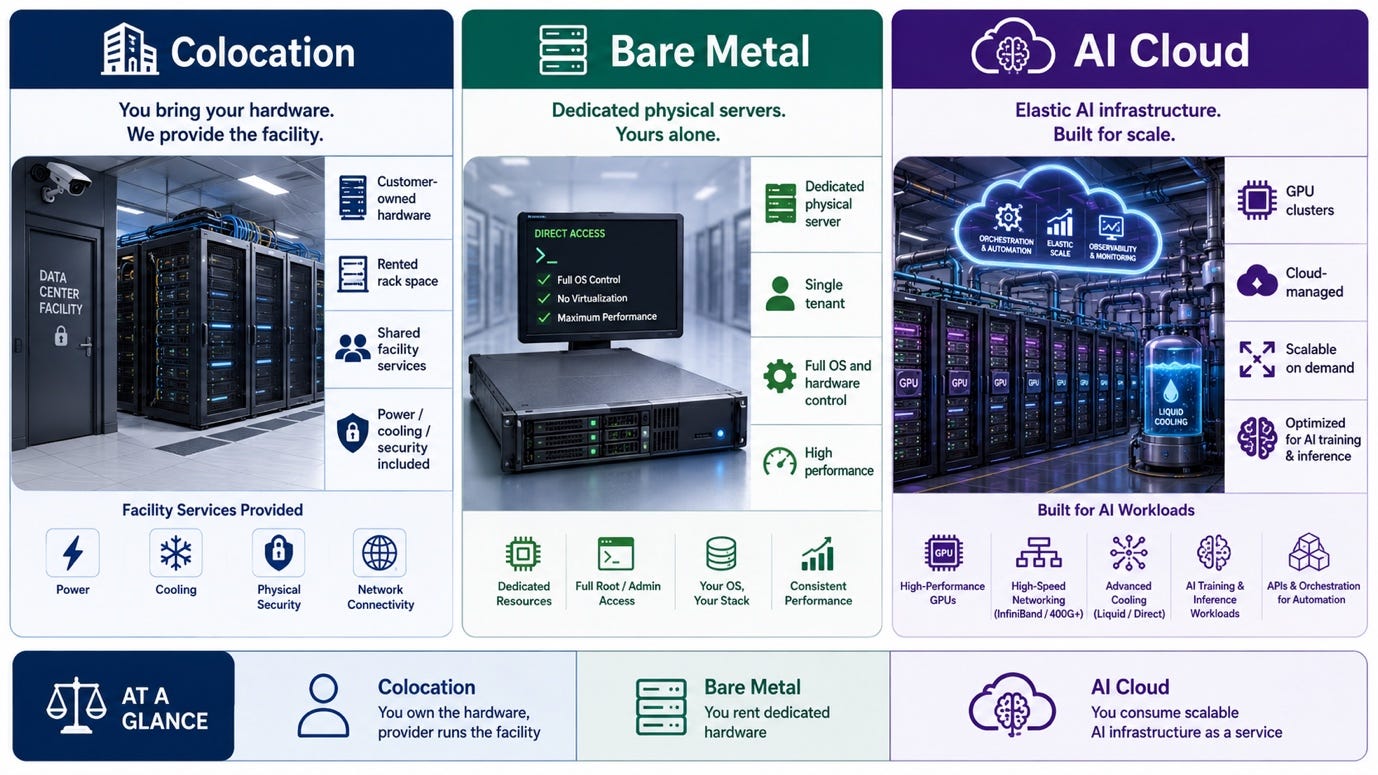
In a colocation model, a company such as Iren builds the data center, secures energy, and equips it with cooling, networking, and other equipment. Then they secure a customer who signs a long-term lease agreement of 5+ years and brings their own GPUs to the facility. This model has the lowest value added and thus has the worst economics, generating the lowest price per MW.
Meanwhile, in a bare metal model, the owner of the data center is responsible for fully equipping the facility with all equipment, including GPUs. It then finds a customer who negotiates access to a pre-agreed number of GPUs for a set per-hour rental price. Bare metal customers use their own software to run AI workloads on these GPUs. As the data center operator provides the GPUs, the bare metal model has a higher value added than colocation, and thus has better economics, generating a higher price per MW.
However, the most profitable AI data center model is the AI cloud provider!
In this model, the data center operator provides advanced AI training and inference software. Purpose-built AI training clusters, model hosting, managed inference services, AI APIs, storage, networking, developer support, and more. An AI cloud doesn’t simply rent out space, like colocation, or rent out GPUs like in bare metal. An AI cloud is essentially an AI development, optimization, inference, and deployment partner for AI start-ups and large enterprises.
As revenues are software-driven, this model has the highest value added and thus generates the highest price per MW of capacity!
Iren operates using the colocation and bare metal model, with some early signs that it is looking to add software offerings to its platform.
Each of the operating models has its own advantages and disadvantages.
In colocation, the data center operator is essentially a landlord, and such a model can be highly profitable if operated well. The key advantage is that it requires less capital to start, is easier to operate, and generates a more stable and predictable rental income from a small number of key tenants.
A bare metal is similar to colocation. But, if we use the analogy of a rental apartment, colocation is comparable to renting an apartment without any furniture, whilst bare metal is a fully furnished apartment. Meanwhile, an AI cloud could be comparable to a fully serviced apartment, with furniture, maids, a personal chef, nanny, tutor, and chauffeur.
An AI cloud might have the highest margins in theory, but it is also the most difficult model to operate. Companies must employ highly skilled software engineers to build the digital environment that AI start-ups need. This requires a lot of upfront capital and years of research and development. Furthermore, AI clouds must have big sales and customer management teams that manage a large number of small customers.
Most importantly, this area of the industry is highly competitive, filled with highly skilled start-ups such as Nebius, and it is led by hyperscaler clouds with hundreds of billions of dollars at their disposal, such as Google, Amazon, and Microsoft.
Historically, Iren stated that they don’t wish to compete with Hyperscalers on software. Their core competency is not AI software, but
1. Finding locations with cheap energy.
2. Building energy-efficient data centers.
However, with its recent acquisition of Mirantis, Iren seems to have changed its mind.
2. Mirantis
On May 5, 2026, Iren announced that it had agreed to buy a company called Mirantis for about $625M in an all-stock deal.
Mirantis is an expert in cloud software and Kubernetes, which is a tool used to manage and organize 1,000s GPUs working together.
This acquisition is designed to give Iren the first software tool it needs to become a full-stack provider of AI services.
This is a divergence from their previous pure bare metal strategy. A reminder that in bare metal, the client comes with their own software stack and only pays for the usage of the equipment.
This has lower margins than AI cloud software services, so with this move, Iren is moving upmarket, with the goal of increasing margins and revenues from its existing capacity.
The main goal of buying Mirantis is to make it easier for customers to use the massive power of Iren’s GPUs.
In the AI computing industry, there is often a gap where companies have the hardware but struggle to set up the software correctly to use all the GPU power.
Mirantis helps bridge this gap with its technical expertise and its AI platform, which manages AI workloads across different types of servers and environments.
Mirantis will operate as a separate subsidiary, but its software will be integrated into Iren’s AI Cloud platform. This will help the company serve a wider range of customers who need more complex AI setups.
By providing a larger share of the software layer, Iren hopes to make its relationships with customers stickier, driving long-term retention.
3. Data Centers
As of calendar year Q1 2026, Iren has 7 data center projects under development with a total contracted capacity of 5GW!
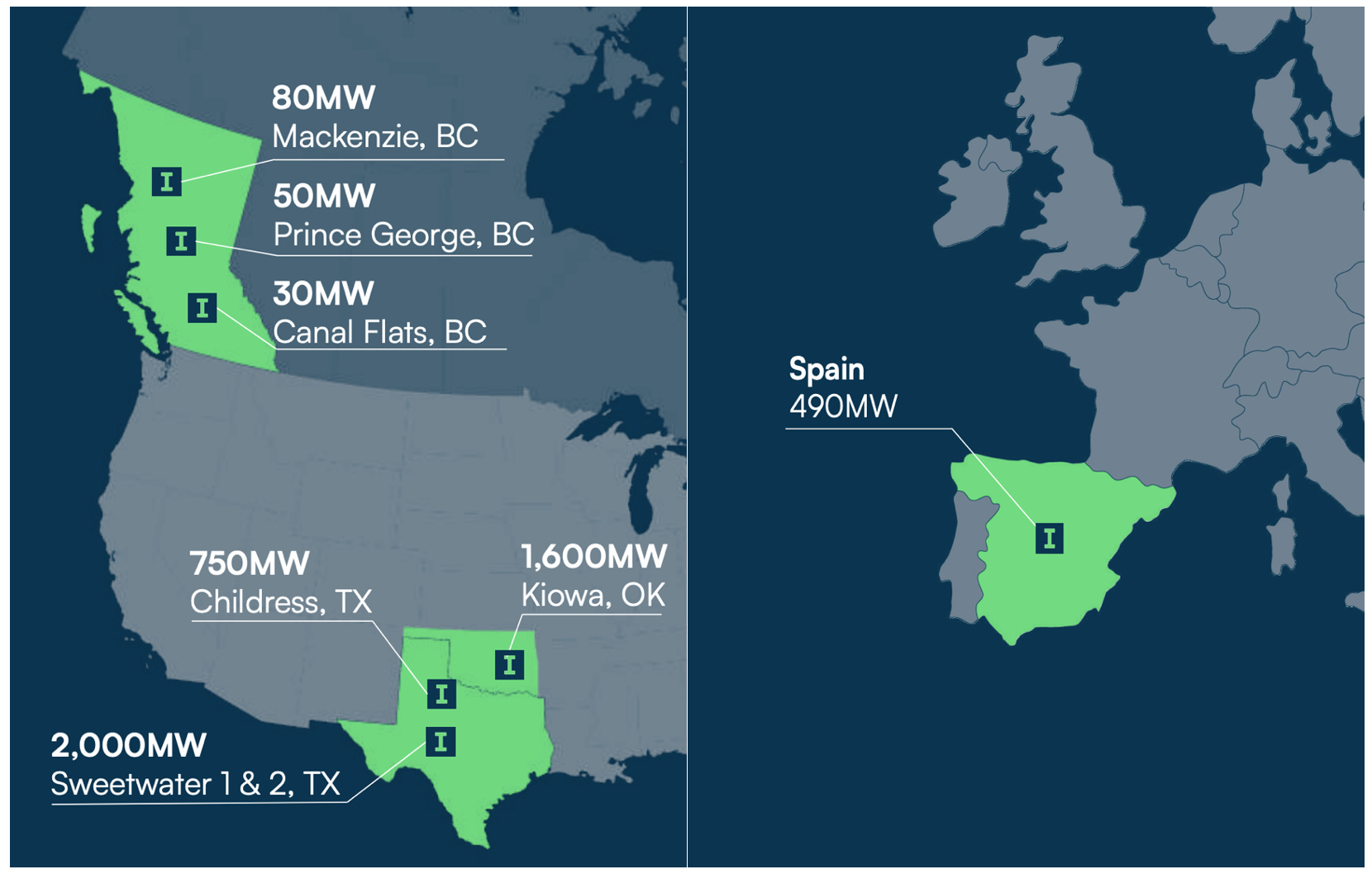
Let’s expand on them:
3.1. British Columbia, Canada
The company is currently working to upgrade the British Columbia sites to support AI workloads instead of bitcoin mining.
As a result of this transition to AI, Iren took a $140.4M impairment charge in Q1 2025.
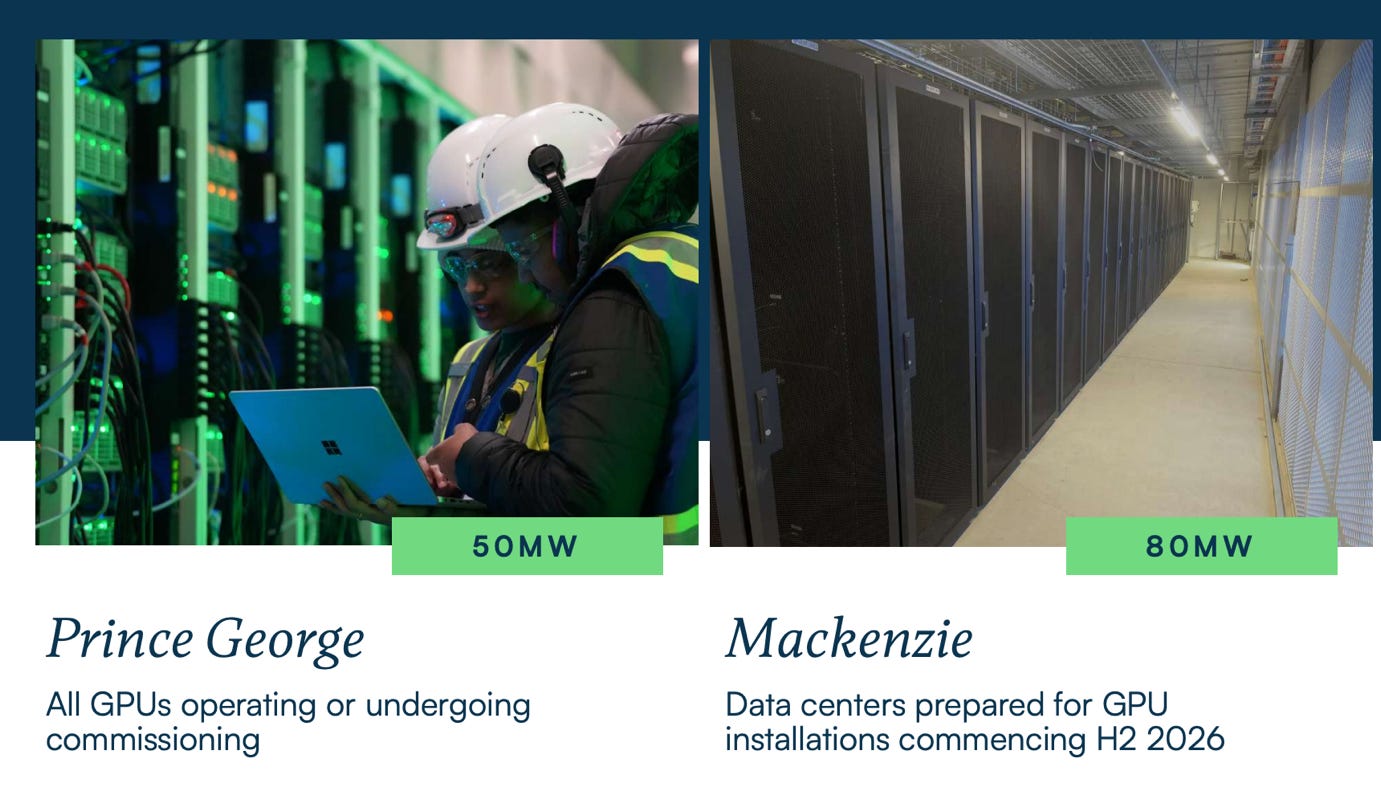
At the Prince George site, which has 50MW of power, Iren has already delivered the necessary GPUs and is in the process of setting them up. Once this is done, the entire site will be dedicated to AI.
The Mackenzie site has 80MW of capacity that is ready for new chips to be installed in the second half of 2026.
At Canal Flats, the company plans to change all 30 MW of its power over to AI services.
This work is happening while the provincial government is making new rules for how data centers use power.
In 2025 and 2026, the province is setting limits on power for AI and requiring companies to compete for new connections. Iren has said it will keep working and growing in the region by following these new rules.
3.1. Spain
In May 2026, Iren entered the European market by buying data center developer Nostrum Group.
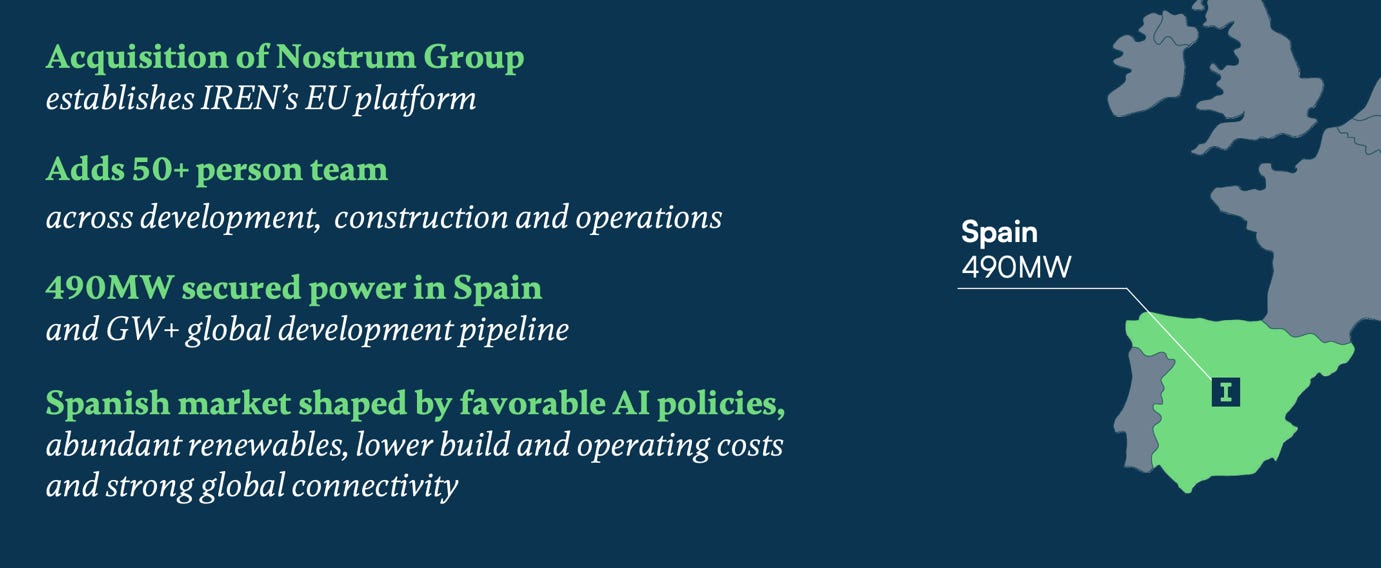
The company paid EUR 165M, with 65% in cash and 35% in stock.
This deal gave Iren 490MW of power capacity in Spain that is already contracted to the grid. This is not a single large data center, but rather a collection of smaller data centers.
Spain is highly attractive for AI data centers due to its abundant and low-cost renewable energy, particularly solar and wind.
Its strategic geographic location offers excellent undersea cable connectivity to Africa, the Americas, and the rest of Europe, turning the country into a vital global data hub. Additionally, Spain boasts a massive pipeline of secured power capacity and favorable government initiatives that streamline the development of large-scale infrastructure.
Depending on how fast the construction goes, these projects likely will come online in 2028.
3.2. Childress, Texas
The Childress site in Texas is the biggest focus for the company right now.
The Horizon 1-4 project is a key part of the current build-out at the site. This project involves 300 MW of data center space that uses liquid cooling.
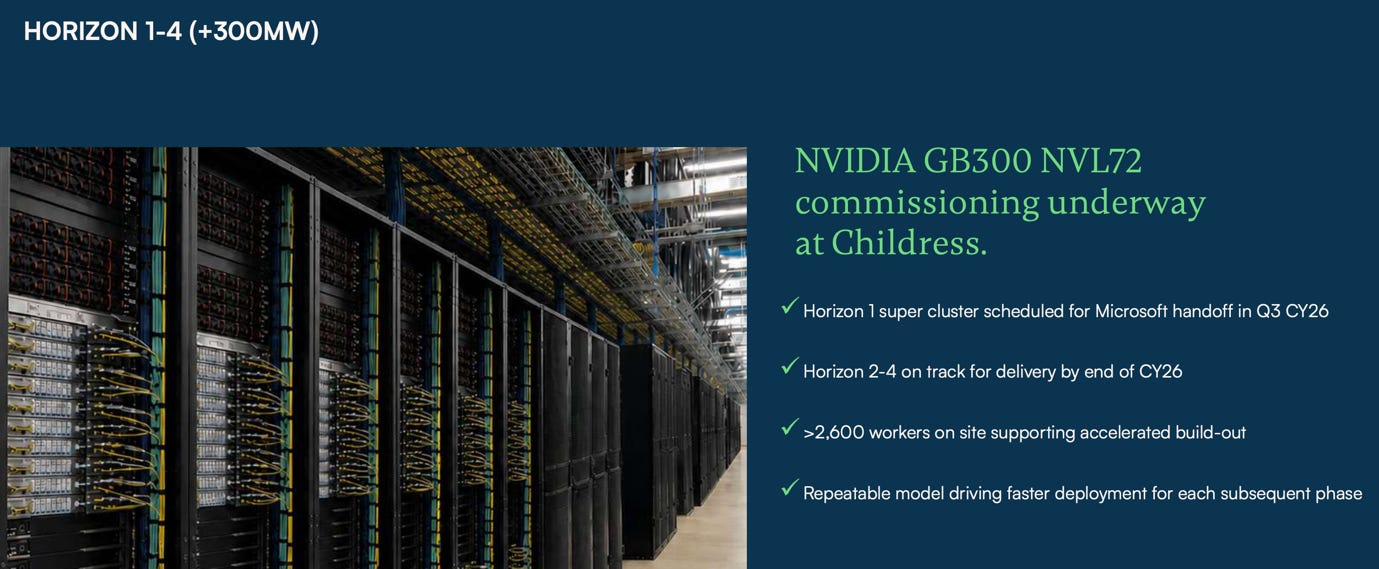
The company is currently commissioning the GPUs for Horizon 1, which will be handed over to Microsoft for its use in Q3 2026.
The other three phases, Horizons 2 through 4, are on track to be finished by the end of 2026.
This is a major milestone because it shows the company can build and launch a large-scale, high-tech site for a major customer on a very tight schedule.
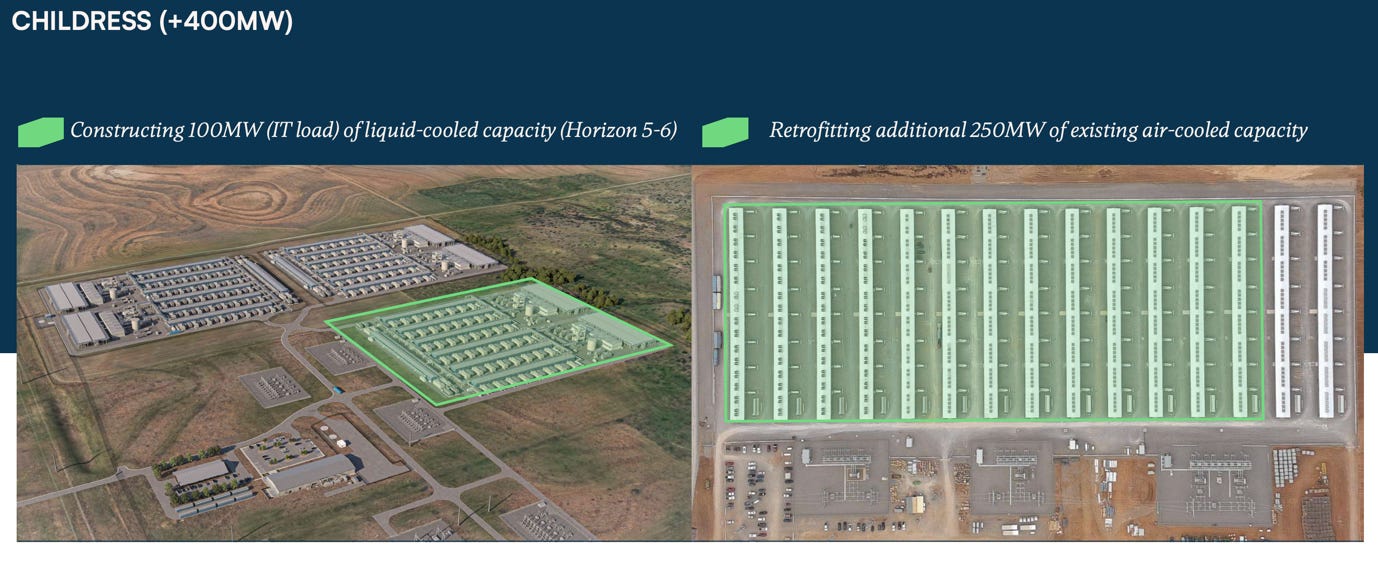
Construction is also moving forward on two more phases, Horizons 5 and 6, which are part of the plan to reach over 1.2GW of capacity by 2027.
3.3. Oklahoma
Iren is developing a new 1.6GW AI Data Center in Oklahoma!
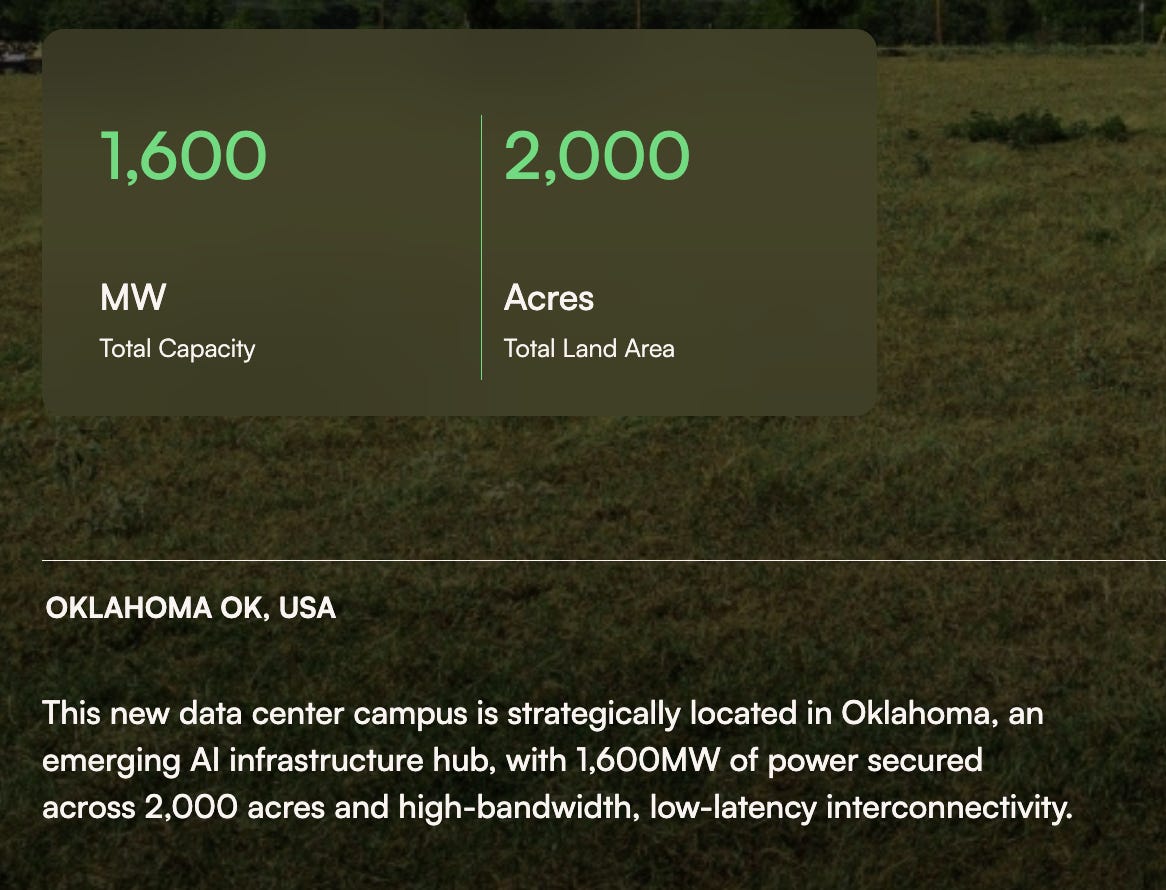
At $10M ARR, this facility has the potential to generate $12-14B in annual revenues, depending on PUE. And Iren plans to begin energizing it in 2028, with first revenues likely coming in 2029-30.
This certainly means that Iren will issue more convertible notes to finance the development of this data center.
3.4. Sweetwater, Texas
On May 1, 2026, Iren reached a crucial goal at its Sweetwater site in Texas by energizing the first substation.
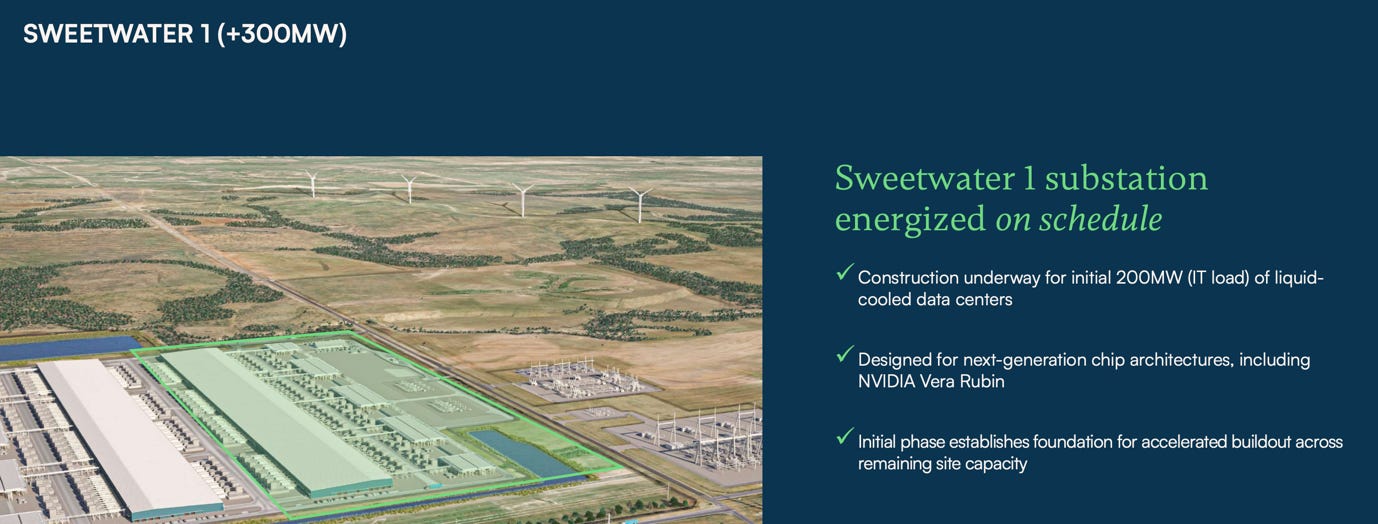
This substation has a massive capacity of 1.4GW and is now connected to the Texas ERCOT power grid.
This connection is a huge advantage because getting power from the grid is often the biggest delay in building a data center.
The whole Sweetwater campus is designed to eventually support 2GW of total power.
The first phase of building the actual data halls is underway, and this site will be a major part of the company’s growth through 2027 and 2028.
By finishing the substation first, the company can now build and turn on new data halls one after another as they are finished.